Women's Empowerment
Training on Safe Delivery
Equipping traditional midwives and birth attendants with training to reduce maternal and infant deaths.
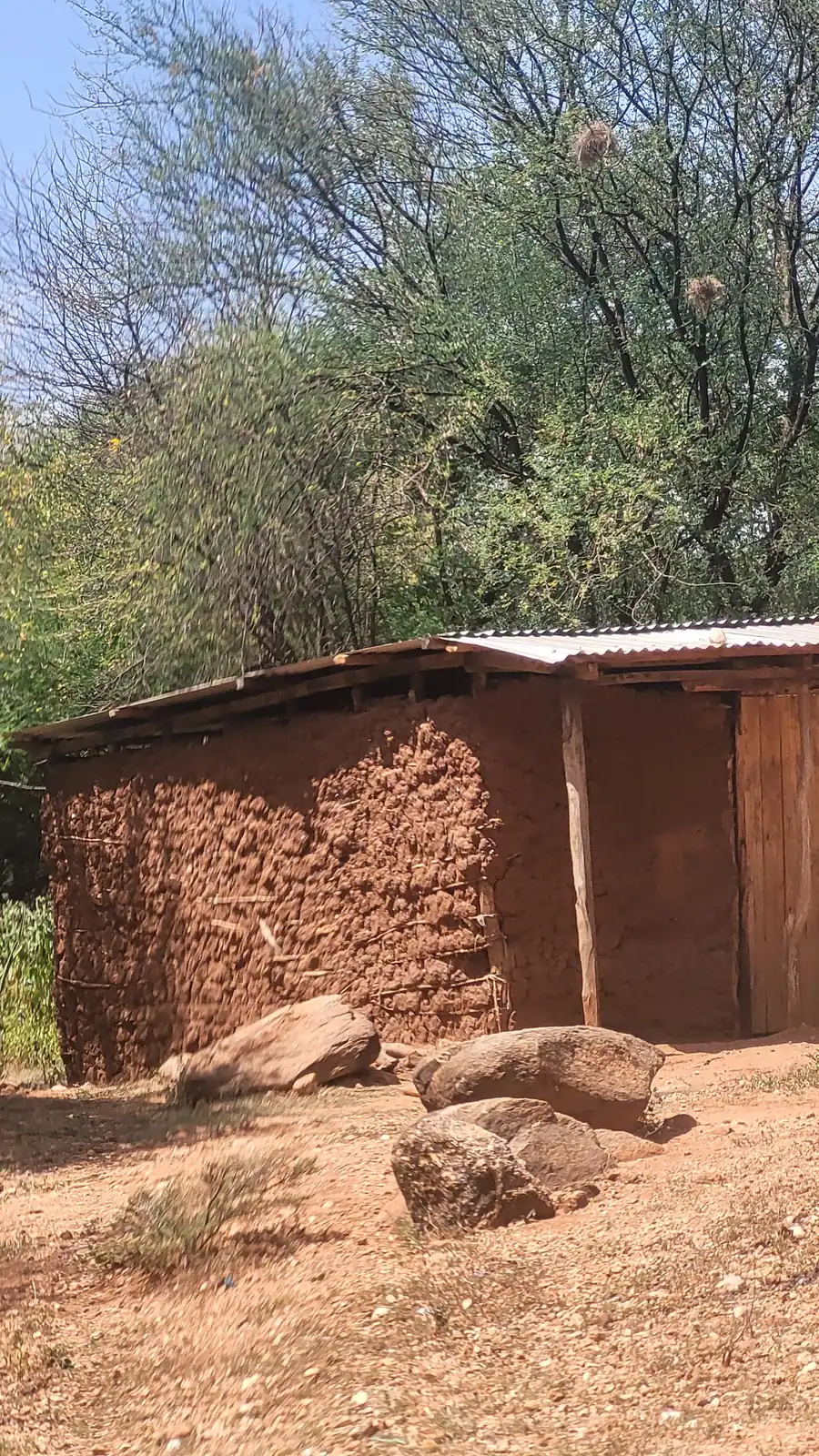
Kenya's Pokot people have evolved a range of traditions related to maternal and child health, all of which are intended to optimize the community's survival. While many of these customs succeed in enhancing health and welfare, others actually contribute to morbidity and mortality. A pregnant Pokot woman is regarded as vulnerable to diseases and witchcraft, so there are numerous dietary taboos that can contribute to a high incidence of low birth weight. At least one experienced midwife resides in each neighborhood.
Most complications of labor are viewed as a reflection of something the mother has done, e.g. adultery, so there is little intervention. This common belief has led to the death of many Pokot women, as mothers are left at the mercy of good Samaritans — so there is always little intervention. Even though midwives are considered a great asset to the community, and experienced in dealing with the high rate of childbirth, there is still a high rate of infant mortality in Pokot. This is mainly because a significant number of these women (midwives) do not have the extra skills to deal with unforeseen circumstances.
The work of midwives cannot be underestimated, and it would be foolish to do away with them; however, more empowerment and training is needed to reduce or control the high number of infant deaths. Many of these women and infant children die at the hands of the midwives, because the practitioners lack the necessary skills to avert or prevent a crisis. Attempts should always be made to work more closely with the traditional midwives, enabling them to develop their already considerable skill, and to implement methods of screening and referring mothers who are likely to have high-risk pregnancies.
The service of traditional midwives is important, because Pokot County has few accessible hospitals and health centers, mainly due to a lack of proper development infrastructure. There are no good roads in Pokot, especially in areas where WMK is concentrating its efforts, e.g. Nyangaita, Kamanau, Kakleshon — the rocks, hills, and valleys make it even harder for a pregnant Pokot woman to survive the journey, or to safely give birth in case she is driven in a car or ambulance.
WMK, through the help of its partners, aims to educate and empower traditional birth attendants with skills and knowledge to reduce the cases of infant or maternal death. Thanks to our past efforts of building relationships with the community and with government representatives, we hope to continue our effort of working closely with the women. WMK will closely work with other NGOs in the field of health to help implement the programme.
Other Programs
Vocational training in carpentry, bee keeping, farming, metalwork, weaving, and electrical work to help Pokot families become self-dependent.
Church planting, door-to-door evangelism, and the Jesus Film, reaching Pokot communities of the Rift Valley.
Free DTS scholarships and Bible study for Pokot women, who go on to lead door-to-door evangelism and village storytelling.
Support this program
Training on Safe Delivery runs on the generosity of people who’ve never been to West Pokot.
Give to the work