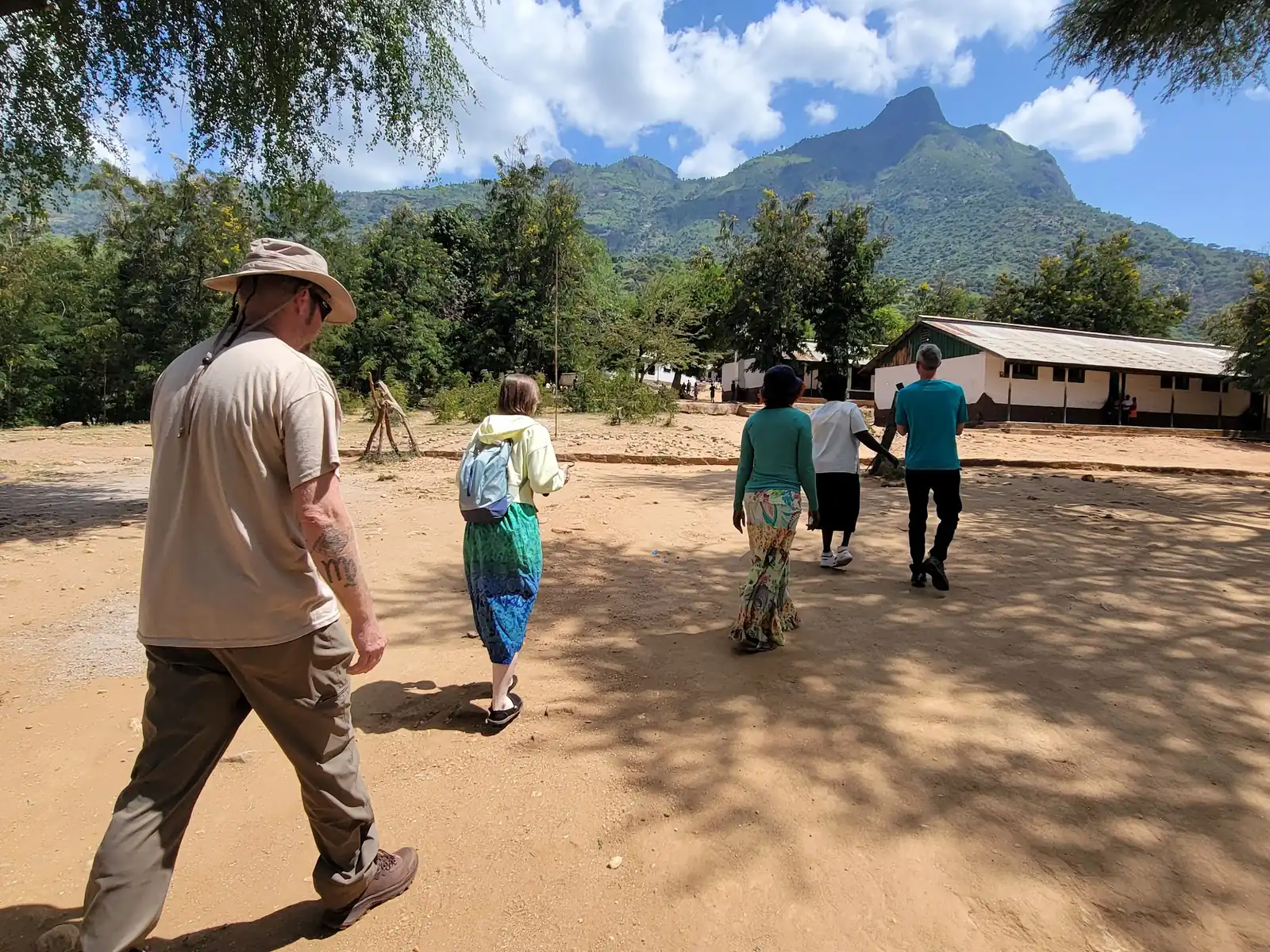
West Pokot County, Kenya
The Pokot
The Pokot are part of the Kalenjin group of peoples of Kenya’s Rift Valley — the community Wildfire Ministries Kenya exists to serve.
Background
Who Are the Pokot
The Pokot are part of the Kalenjin group of peoples that live in an ecological complex region extending from the plains of eastern Uganda, across the highlands of northwestern Kenya, to the plains of Lake Baringo. Most Pokot reside in Kenya's West Pokot district, an administrative unit of approximately 9,135 square kilometers — the northernmost district in the Rift Valley province. The Pokot speak a Kalenjin language (ng'ala Pokot, "the tongue of Pokot"), incorporating words from the neighboring Karamojong and Turkana. The Kalenjin comprise eight principal groups: the Keiyo, Kipsigis, Marakwet, Nandi, Pokot, Sabaot, Terik, and Tugen.
West Pokot County has a history that leaves residents wary at the mention of "government." From the colonial era through the successive regimes of Jomo Kenyatta, Daniel arap Moi, and Mwai Kibaki, residents have felt marginalized and discriminated against in the allocation of public resources. Ranked 38th out of 47 counties in poverty, with a transition rate of just 60% from primary to secondary school, the county still struggles to match other parts of Kenya that enjoy clean drinking water, schools, sanitation, roads, security, and hospitals. Cattle rustling, female genital mutilation (FGM), and conflict with neighboring tribes such as the Turkana, Marakwet, and Karamojong of Uganda have all contributed to the region's underdevelopment. WMK's long-term objective includes helping to offer educational opportunities, formal and informal, to the Pokot.
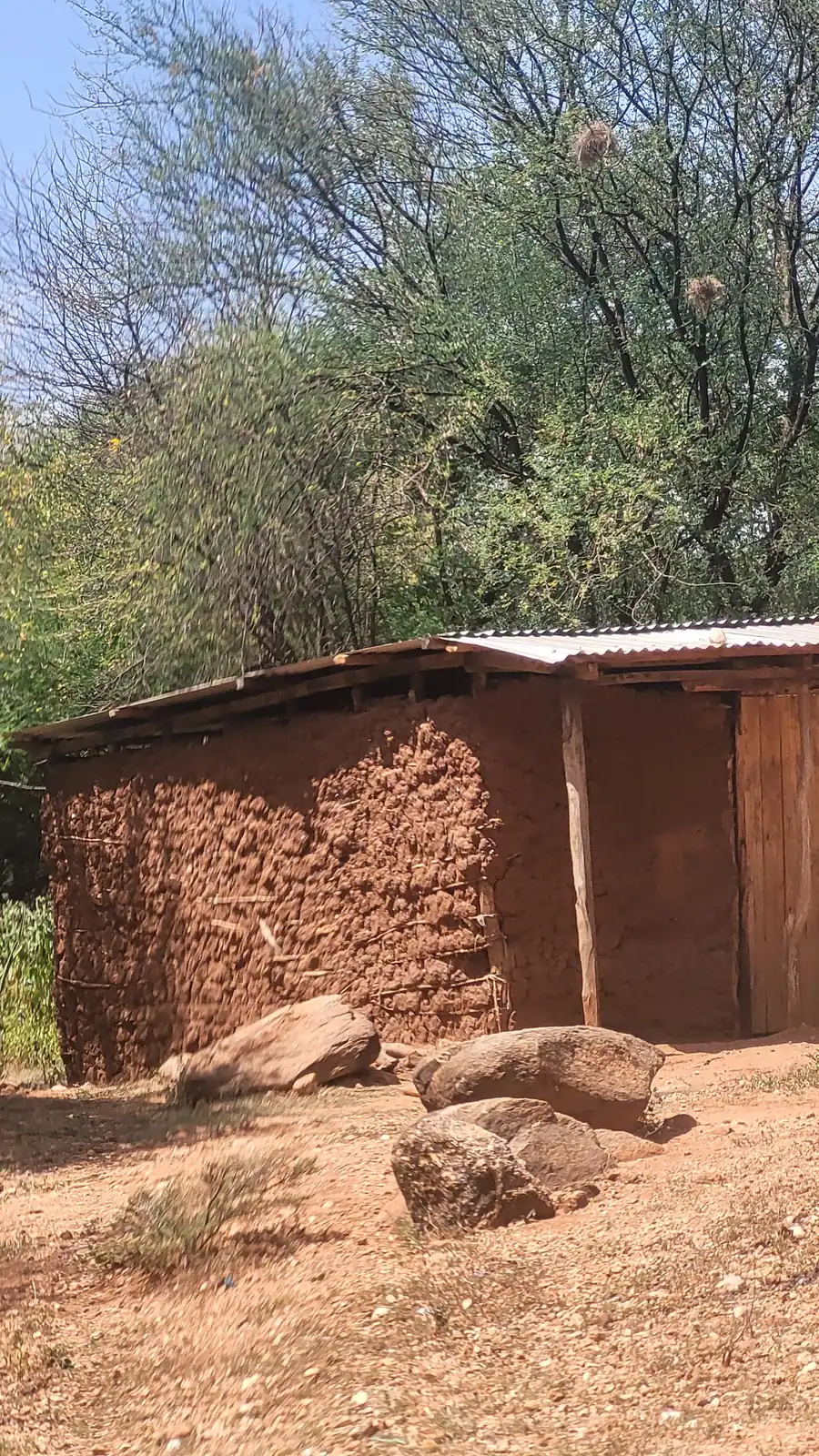
Religion and Churches
Approximately 15% of the Pokot are Christian; the remaining 85% are traditionalist, and even among Christians, the traditional religion and worldview is still dominant. Most of the Pokot have not responded to the gospel, and the evangelization of the Pokot has been characterized by hardship and challenge — from the geography, from the people, from civil administration, and from the language itself. The growth of churches and Christianity has been slow, but thanks to YWAM Athi River and WMK, churches are beginning to spread to the more interior regions.
WMK partners with PEFA to help plant as many churches as possible. Just recently, PEFA — through the help of WMK and Wildfire Ministries USA — planted a church at Kakleshon to cater for the spiritual needs of the growing population in the area. Two years earlier, YWAM Athi River, through the leadership of Joram Kingori, planted a church at Nyangaita, which still exists amid many challenges. Through the support of Pastor John Mills (Wildfire Ministries USA), three pastors are supported with a monthly upkeep to help support their families and to help run church programmes.
WMK thanks Wildfire Ministries USA for all their in-kind donations toward the success of the evangelism programme. The ministry donated a PA system unit (speakers, mixer, and microphone), a projector, and a power inverter. We give sincere appreciation to Wildfire Ministries USA and their team of volunteers — Brenden and Kirstin Mills and Andrew — for accepting to support the ministry in Pokot and for committing their time and finances to come and spend time in Pokot.
Values, challenges & growing up Pokot
Pokot Life & Culture
The Pokot Values
The Pokot are an enduring people, able to live with very little. Their society is well organized around their tradition and the authority of the elders, with tight control of misbehavior (e.g. adultery, stealing, killings). The roles of women and men are clearly defined. Women in the past did not play an important role in the public eye, but they did influence their husbands and children. Nowadays, they have a greater say in public meetings, though they still remain second-class citizens. They have high esteem for their family and offspring, though in competition with their appreciation of cattle. There is increasing acceptance of God in their lives, as the one who provides for and cares for His creatures. They enjoy Christian prayers, but do not care much for morals outside their traditions. The Pokot value their livestock and will do anything to defend or protect them from neighboring tribes.
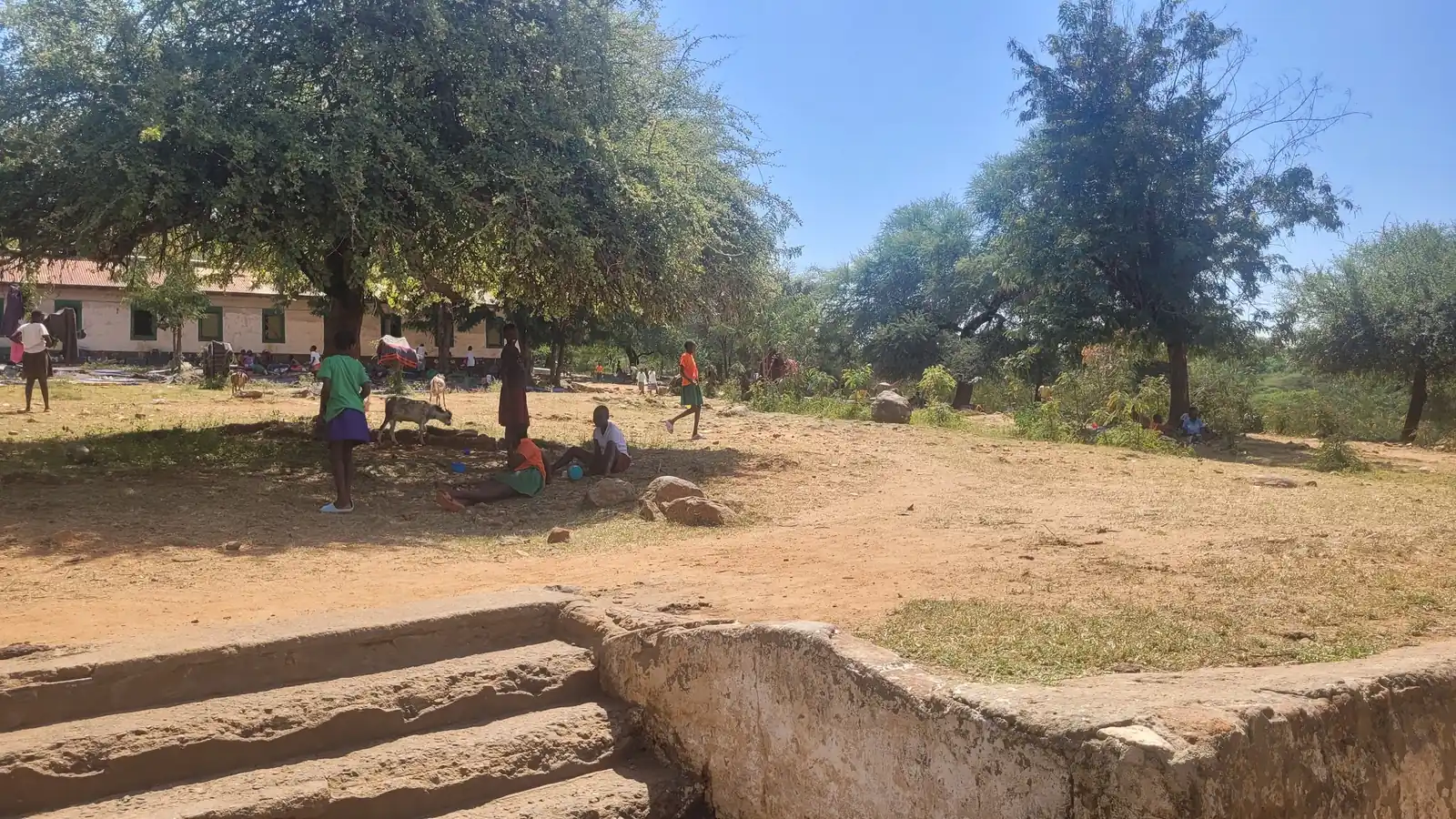
Challenges
Diseases and a lack of health facilities are constant concerns. The harsh environment of the area, cultural practices regarding livestock, and poor agriculture make it difficult to have reliable sources of food; scarcity is a common occurrence. Diseases continue to increase as malaria, typhus, and HIV keep becoming more resistant. Infant mortality is still very high in areas where WMK is concentrating its efforts — e.g. Kamanau, Nyangaita, Lomut, and Kakleshon — though it has reduced in other areas thanks to mother-and-child clinics. Many women still give birth in their homes with the help of traditional birth attendants, most of whom are untrained and not equipped with the necessary knowledge. Security in Pokot remains fragile because of cattle raiding and stealing with neighboring tribes; police cannot do much, and army operations have failed to retrieve illegal arms from the people.
Many Pokot also travel a long distance to find water for their cattle and for home use — many travel an average of five kilometers (5km) to find water. At Nyangaita, a population of more than 10,000 people share one borehole, built by the televangelist T.D. Jakes from the USA. Very early in the morning, it is common to see children and young men queuing with their livestock and jerry cans; many women also travel a long distance to get at least 20 liters of water for their families. Another problem in Pokot is alcohol — alcohol dependency has become a serious problem for many Pokot, including women. Thanks to YWAM and WMK outreach teams, the community is slowly beginning to understand the serious dangers of alcohol abuse, and is slowly beginning to embrace a life more shaped by Christian values.
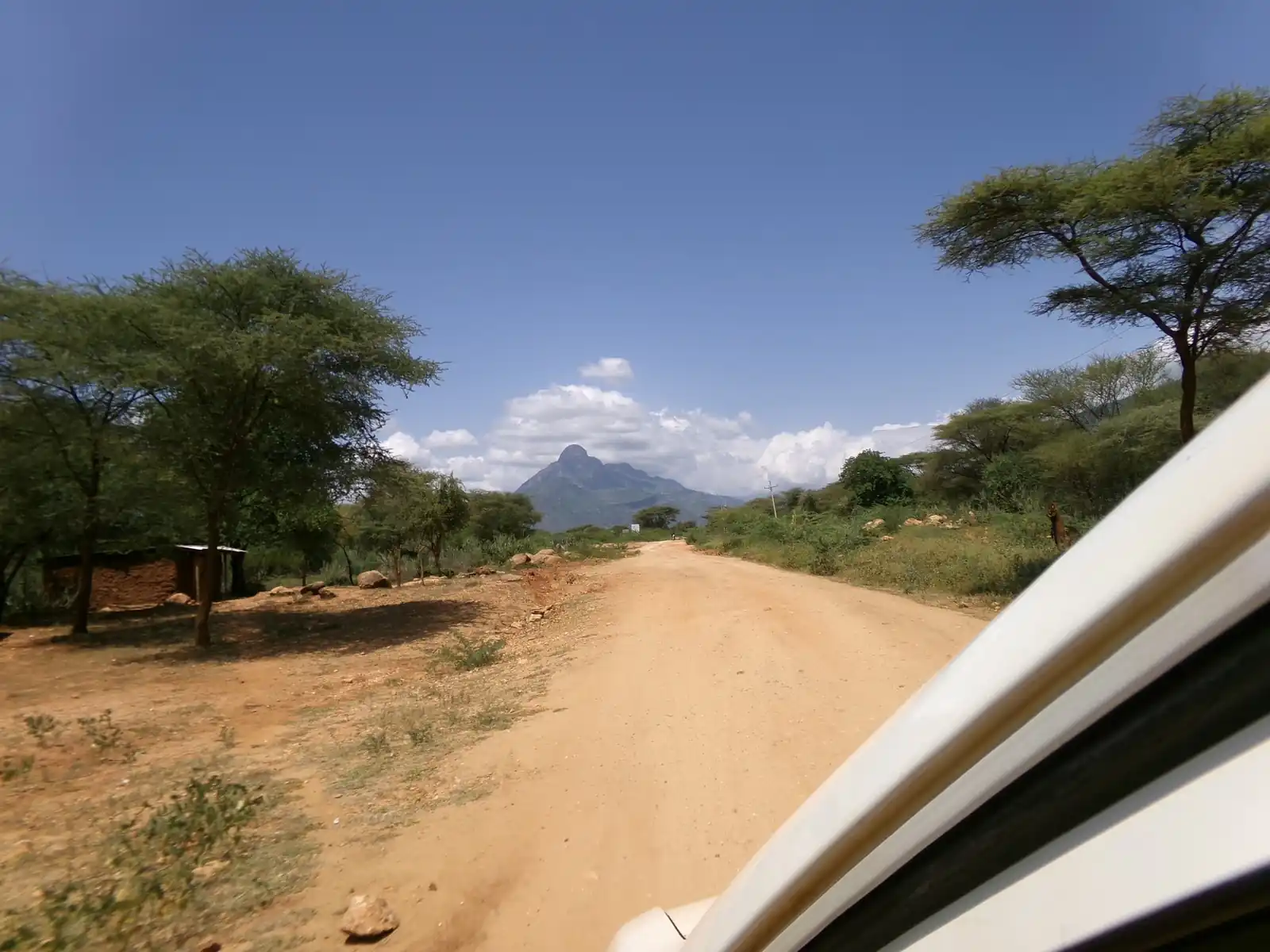
The FGM Culture
Besides these, there are practices in Pokot culture that need updating to set aside whatever is harmful to the people. The practice of FGM denies a woman her fundamental human rights and contributes to the shattering of many dreams. It portrays the woman as a second-class citizen in her own country. People need to move past the taboos that surround some topics in order to deal with them effectively — this is especially true on matters pertaining to gender relations and the improvement of the conditions of women.
Youth Unemployment
In Pokot, youth are challenged by a lack of jobs. Illiteracy has contributed significantly, as has the high value placed on livestock. Many children drop out of school to look after livestock, and are therefore limited in their capacity and ability to perform in different jobs. Marginalization has also contributed to the lack of jobs, since the region lacks proper infrastructure despite the availability of resources. There is a need to construct youth and village polytechnics to train people in different practical areas of study.
Early Marriages and the Need for Formal Education
Many girls in Pokot, as young as 10 years old, are married off against their wish as soon as they undergo FGM — a circumcised girl is considered fit for marriage and qualified to look after her own children. Many girls have dropped out of school due to pressure from their parents. Pokot has had a number of reports of girls running away from home, or refusing to return home from school, despite the existence of Kenyan laws against child marriage. Young boys also drop out of school to take care of their family livestock, leading to high rates of illiteracy. WMK aims to mentor young boys and girls through mentorship programmes that will be launched, and welcomes mentors from all corners of the globe who are interested in joining. WMK will also continue to partner with schools in feeding programmes and child sponsorship, targeting needy schools and children.
A Region Shaped by Drought and Distance
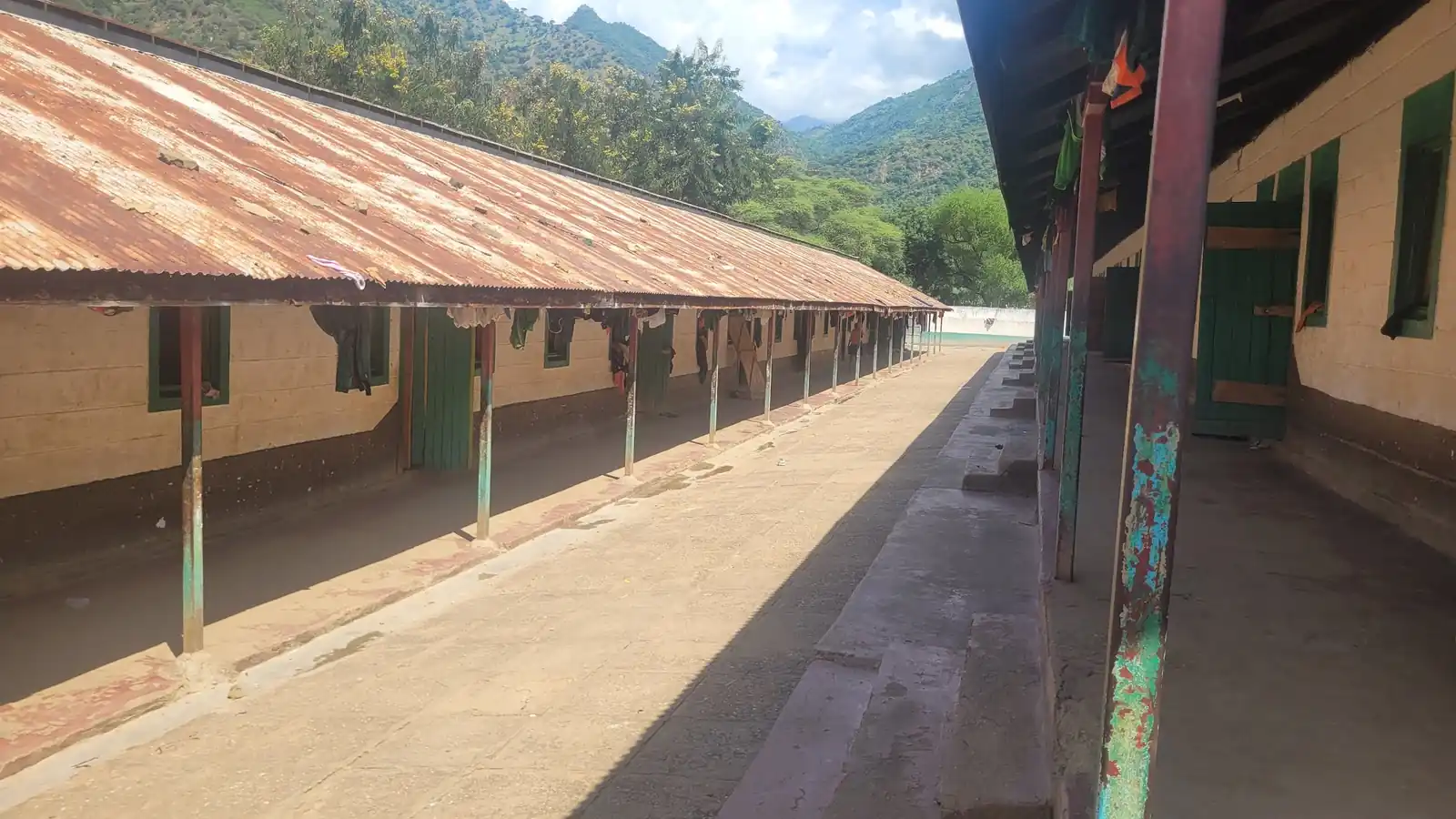
Pokot is a predominantly arid region, frequented by severe drought throughout the year except for a few pockets which receive small amounts of rainfall — insufficient to raise a crop to maturity. It is located in the northwestern part of Kenya, bordering Turkana County to the south. The region has been characterized by cattle rustling for many years, though there is now relative peace. Pokot is inhabited by a pastoral, nomadic community whose livelihoods depend heavily on keeping livestock. The region is vast, covering 9,064 sq km of difficult terrain, making the area largely inaccessible.
Retrogressive cultural practices — among them cattle rustling, female genital mutilation, and early forced marriage — have had a very negative effect on the development of children in this community, and are a major challenge to the government of Kenya in the attainment of the Millennium Development Goals (MDGs), as entailed in Kenya Vision 2030. Among this nomadic, pastoral community, meeting the goal of a world fit for children is still a far-fetched wish. Children have very limited opportunities for education, and girls are more vulnerable to the effects of these outdated cultural practices. Access to food, health care, education, adequate nutrition, protection from harm, and other necessary opportunities is still out of reach for the pastoral Pokot child.

Growing Up Pokot: Girls and Boys
Due to high illiteracy and attachment to culture, ideas like global child rights and universal free primary education are difficult to explain to full satisfaction. To the Pokot, education is traditionally the art of teaching a child the norms that must be observed at each stage of growth — gender roles and responsibilities are outlined within that teaching. A girl learns that she must at all times feed the family, fetch water, and fetch firewood. She is psychologically prepared, at ages 8 to 12, for what every woman is said to cherish — female genital mutilation, leading to early marriage to a suitor known only to her father. She is told she has no choice over who marries her, even if he is her grandfather's age, and even if she becomes the fifth or sixth wife.
The boy child, on the other hand, is introduced to grazing cattle at age five. He ensures the cattle have access to the limited pastures and water sources in the dry land, and begins being a nomad at this age. He is also introduced to handling a gun, because he is the community's protector, along with the livestock — he must protect them against frequent enemies who have made rustling a trade. These informal teachings make him a 'moran' — fearless and ready to die while defending what belongs to his community. This scenario has worsened in the predominantly arid zones, where communities are solely dependent on livestock: they eat meat and drink milk and blood from their cattle, with any other food coming from relief supplies, which are never enough for large families.
Education and Dropout
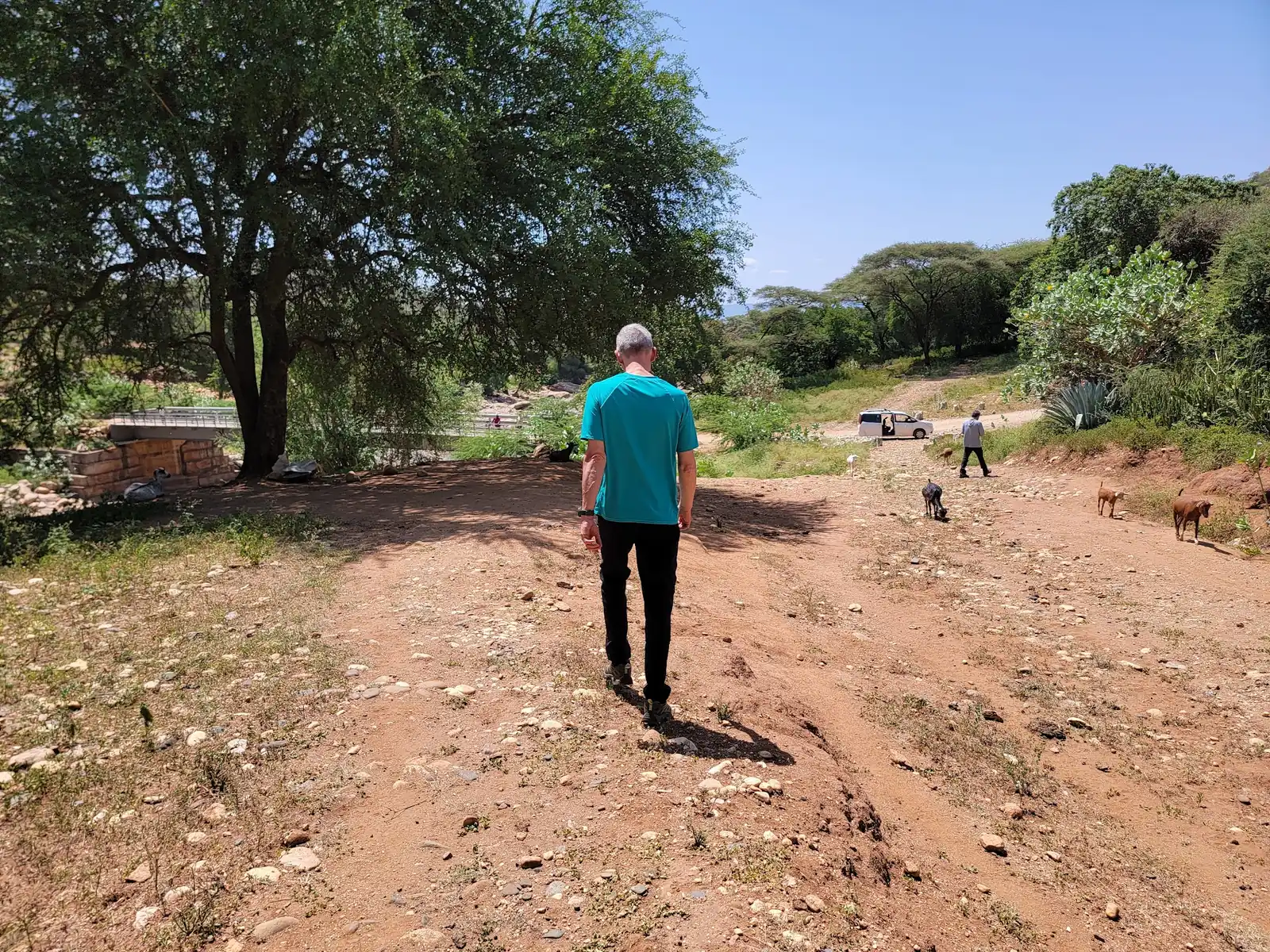
Culture has therefore downplayed the role of the girl child in the family, denying her the opportunity to receive an education and contribute to the economic development of her community. Girls' enrollment in school at basic levels is very high, but they drop out in large numbers around grade three, because at this stage they have reached around age eight, when they undergo cultural rites of passage leading to womanhood. They are therefore forcibly withdrawn from school, or they leave of their own accord because of the informal teaching they received on the value of being circumcised.
The ministry’s own account
Women & Children
What follows is drawn directly from WMK’s own programme pages — its sober account of the particular pressures facing Pokot women and girls, and the reason its work exists. It is reproduced here as reporting, not as fundraising appeal copy.
Drought and Famine
No region in Kenya faces the devastation of drought and famine as Pokot and Turkana. During dry seasons, temperatures in Pokot and Turkana areas have risen to as high as 40 degrees Celsius, and during such times the people and animals suffer greatly. As a result, Pokots who live in affected regions are forced to move to other regions, forcing children to drop out of school; many children and animals die as a result of food shortages. In 2014, drought and famine claimed many lives, according to the Nation newspaper of 03/2/2014 — at the time, more than 200,000 Pokots were facing starvation and hunger, an alarming figure. Some pastoral communities in Pokot have as a result migrated to neighboring Uganda. Many schools in many Pokot regions do not receive sufficient food, forcing children to stay at home as they try to find food elsewhere. Areas mostly affected by drought and famine are Takaywa, Nauyapong, Alale, Nyangaita, Ombollion, Kodich, and Kamanau.
People in Pokot and neighboring Turkana are also, in many instances, forced to eat toxic wild fruits, which have to be boiled for hours so as to make them safely edible. The Pokot region needs emergency food relief now to try to alleviate a situation of disaster. Wildfire Ministries Kenya (WMK) works with stakeholders to try to bring help to the Pokots — we are a committed organization focused on ministering to the Pokot in all areas of their needs, and we always seek partners who share our broader vision. Food relief donated to the Pokot is safely handled by WMK to ensure that a larger group of the Pokot benefit.
Education
Due to high illiteracy levels and attachment to Pokot culture, the idea of global child rights, universal free primary education, and issues around children's rights cannot be explained to full satisfaction. To them, education is the art of teaching a child the traditional norms that must be observed at each stage of growth. Many children in Pokot are forced to drop out of school by their parents for many reasons — poverty, moranism, and culture have all played a role in rising school dropout rates, with young primary-school girls most affected, as parents tend to marry off their daughters at a young age to acquire more wealth. The Pokot region has had a number of reports of girls running away from home, or refusing to return home from school, despite the existence of Kenyan laws against child marriage. For a long time, the FGM culture has worked against women in Pokot. In Pokot, girls are educated only up to around age 10, since education up to this age is free; however, even completion of primary school is not guaranteed, since some young girls are married off at age 9 or 10. Local officials and statistics show that 80% of Pokot girls do not join school or drop out prematurely.
After age 10, families would rather spend what little they have educating the boys in the community. Many boys also drop out of school to herd their family's livestock — livestock are a sign of wealth, so families invest significant time and resources to protect and preserve them. The boy child is introduced to grazing cattle at age five, and many children fail to attend school in order to tend to their family's livestock. Marginalization and neglect by the government of Kenya has also contributed to high illiteracy rates in Pokot. Compared to other regions, few schools exist in Pokot; in the regions where WMK is working, e.g. Nyangaita, there is only one school, which is underdeveloped and lacks teachers. Many children travel a long distance to attend school, and the lucky few have to make do with the few available teachers. Many teachers in the Pokot region prefer to teach in urban schools, due to the accessibility of local services, as opposed to rural and interior schools where facilities and services are lacking. All of these factors have contributed to the high school dropout and illiteracy rates in Pokot.
Female Genital Mutilation (FGM)
It is Pokot tradition to circumcise a girl child before sending her to be married. Young girls in Pokot assume the role of a woman as soon as they are circumcised and married off, at a tender age of even 10 years. Girls are psychologically prepared for marriage at ages 7-12, when they will go through what every woman is said to cherish — FGM, leading to early marriage to a suitor known only to her father.
Over 70% of Pokot girls between the ages of 8 and 21 have been subjected to FGM, forcing them to drop out of school and get married at a tender age. In Kenya, prevalence rates for FGM and child marriage are approximately 27% and 26% respectively, whereas in Pokot it is above 80% for both. FGM has many complications: chronic infections, severe pain during urination, delivery, menstruation, and sexual intercourse; infertility; and psychological trauma. Due to the extreme form of FGM practiced in Pokot, many women spend days in the bush trying to deliver a baby — this usually either results in stillbirth or a fistula, which is a tear between the walls of the vaginal canal. Fistula can only be repaired surgically; without this surgery, women have no control over bladder and bowel movement, and as a result these women are shunned from society and labeled as unclean.
Hygiene and Sanitation
Many school-going girls do not attend school during their monthly menstruation cycle. Many cannot afford sanitary towels and therefore resort to using bird's feathers to manage themselves. Research points to a larger percentage of girls and women, mostly in remote areas, lacking proper sanitary towels; school attendance is therefore very low during certain periods of the month, as girls prefer to stay home rather than use odd means and methods to clean themselves. The lack of water also worsens the situation — during their periods, girls are forced to travel a long distance to collect water and bring it back home. It is also not strange to see young girls and women bathing in rivers and near constructed boreholes.
The majority of Pokot women and children also do not bathe regularly, due to a lack of water. Those living near rivers are fortunate, because they can afford to bathe at least three times in one week. Frequent and unending drought has forced many Pokot families to resort to other means of "body washing," such as the use of saliva or traditional body perfume. To avoid sex, married women sometimes prefer to stay unclean by skipping bathing. In more interior regions, it is even common for families to go up to two weeks without bathing.
Cattle Rustling and Tribal Wars
For many years, the Pokot have been fighting with neighboring tribes — the Turkana, Marakwet, and the Karamojong of Uganda — over livestock. During such raids, many people die and families are displaced, causing survivors to flee the area. The people normally affected are children, since many of them are not able to defend themselves or run away from attackers. Families are normally forced to move to another area, causing the children to drop out of school. At a tender age, the boy child is also introduced to handling a gun, because he is the community's protector, along with the livestock — in future, he has to protect the family against frequent enemies who have made rustling a trade. These informal teachings make him a 'moran' — fearless and ready to die while defending what belongs to his community. During such raids, women and young girls captured by attackers are often raped and left for dead in the bush.
Family and Community Obligations
In Pokot culture, a woman has no voice, especially in the public forum, and no authority within her homestead. Her main role is to do the house chores and take care of the children, and in many cases she is also the sole breadwinner, so she must make sure food is available on the table. It is very common to find women and young girls walking a long distance to the market to sell milk and other commodities, while men are busy drinking and spending time at the market. Women also have the responsibility of constructing new houses for their families, and making sure they are properly maintained.
Alcohol Dependency
Another problem in Pokot is alcohol. Alcohol dependency has become a serious problem for many Pokot, including women — many women now spend time drinking, especially during market days. As a result, many parents neglect their children and their duties, especially on market days. Alcohol dependency has also contributed to increased promiscuity among Pokot women, which has also led to a rise in HIV/AIDS rates.
Lack of Water and Irrigation Facilities
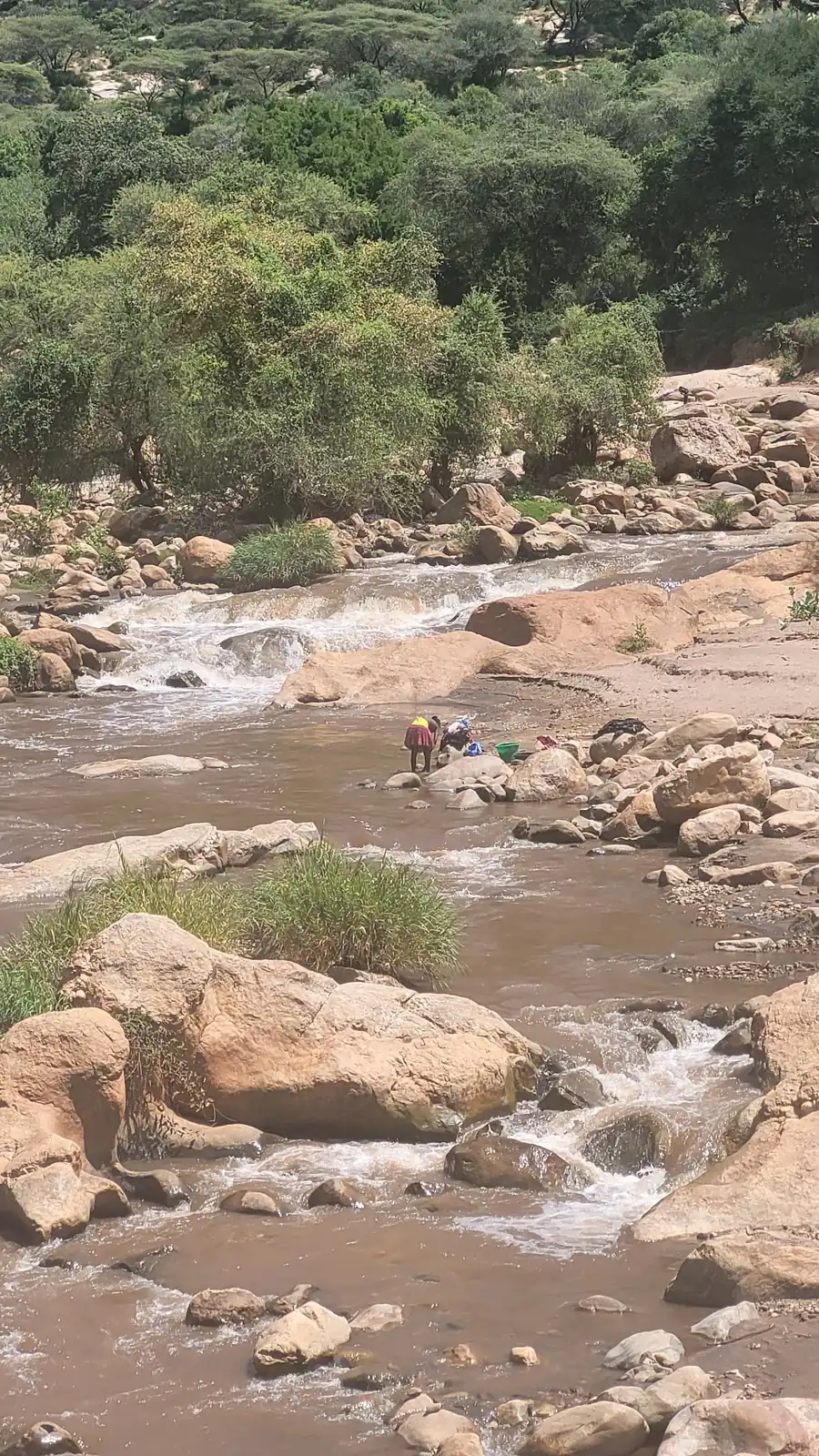
Many Pokot also travel a long distance to find water for their cattle and for home use — many travel an average of five kilometers (5km) to find water. At Nyangaita, a population of more than 10,000 people share one borehole, built by the televangelist T.D. Jakes from the USA. Very early in the morning, it is common to see children and young girls queuing with their livestock and jerry cans; many women also travel a long distance to get at least 20 liters of water for their families. The people who suffer most are women and children, because they bear the sole responsibility of making sure water is available for their cattle and for home use.
Because the vast area of the Pokot region is dry, cash-crop farming is not commonly practiced. Many people are forced to travel a long distance to buy vegetables, which are also very expensive; because of poverty, the majority of people cannot afford to irrigate their land. They must patiently endure the long dry season as they wait for the unpredictable rains. Due to drought and famine, children die from malnutrition, and many families move from one region to another to look for pasture for their livestock.
Diseases
The harsh environment of the area, the cultural practices regarding livestock, and poor agriculture make it impossible to have reliable sources of food; scarcity is a common occurrence. Diseases continue to increase, as the malaria, typhus, and HIV viruses keep becoming more resistant. Infant mortality is still very high in areas where WMK is concentrating its efforts, e.g. Kamanau, Nyangaita, Lomut, and Kakleshon, though it has reduced in other areas thanks to mother-and-child clinics. Many women still give birth in their homes with the help of traditional birth attendants, most of whom are untrained and not equipped with the necessary knowledge. Malaria kills many school-going children in Pokot, especially in interior regions, because of a lack of health facilities and limited awareness in the community. Many families prefer to use traditional remedies, which often don't work, leading to high-risk cases that mostly result in death.
HIV/AIDS prevalence has continued to increase in Pokot. Due to limited awareness, many Pokot prefer to use traditional medicine, and therefore skip medical checkups. As a result, many die even before being tested, and those who have been tested sometimes ignore the reality and don't follow medical advice.
Lack of Health Facilities
Very few health facilities exist in Pokot, due to neglect. Many people are forced to walk up to 20 km to visit a hospital; in some regions, a population of more than 20,000 people shares one small dispensary. Most hospitals and health centers are also understaffed and lack medical supplies. Women often prefer to give birth in the bush, under the care of inexperienced traditional midwives, and many of these women and infant children die at the hands of the midwives, because the midwives lack the necessary skills to avert or prevent a crisis. There are no good roads in Pokot, especially in areas where WMK is concentrating its efforts, e.g. Nyangaita, Kamanau, and Kakleshon — the rocks, hills, and valleys make it even harder for a pregnant Pokot woman to survive the journey, or to safely give birth in case she is driven in a car or ambulance.
Support the work in Lomut
WMK’s programs exist to answer what you’ve just read. Your gift keeps that work going.
Give to the work
Social Structure
Though the Pokot consider themselves one people, they are divided into two subgroups based on livelihood. About half are semi-pastoralist, living in the lower lands west and north of Kapenguria and throughout the Kacheliba and Nginyang divisions of Baringo district, herding cattle, sheep, and goats and living off their stock. The other half are agriculturalist, farming wherever conditions allow.
The homestead is the social center of Pokot life: a man lives with his wives, each with her own hut, and all family members live together, with livestock controlled here at night. The man heads the family, telling others what duties they are to perform. The position of women in Pokot society is weak — a woman has no voice in any public forum and no authority within her own homestead. Illness and death are greatly feared among the Pokot; death is seen as the end of life, with no afterlife, so life itself is the most important and precious thing to the Pokot. Much of Pokot religious ritual is involved in warding off illness or in effecting cures.